
Ride a Snowmobile This Winter: Expert Tips for All Off-Road Vehicles
Posted by Melanie Johnson on Dec 28, 2022
Quick Answer: Safe winter off-road riding comes down to four things: a thorough pre-ride vehicle inspection, proper layered cold-weather gear, strict trail safety habits, and a basic emergency tool kit. Cold temperatures affect your body faster than most riders expect, reducing hand dexterity and mental focus before you even realize it. Snow conceals obstacles, adds stopping distance, and can make a familiar trail genuinely dangerous. Before heading out, check all fluids, belts, brakes, and controls. Dress in full coverage layers with no exposed skin, bring hand warmers, and always let someone know your route and expected return time. These steps apply whether you're on a snowmobile, dirt bike, ATV, or UTV.
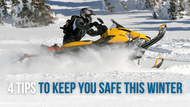
Most riders take the winter off from riding. On the flip side, some live for winter riding. This special breed takes advantage of the reduced trail traffic with the splendor that the snow and cold can bring. If you want to load up your dirt bike, ATV/UTV, or snowmobile to go for a winter ride, you need to be safe doing it. Here are 4 essential tips for staying safe on your next winter ride:
- Inspect Your Vehicle Before You Get to the Snow
- Keep Warm While Riding
- Trail Safety is Paramount
- Bring Tools in Case of Emergencies
Inspect Your Vehicle Before You Get to the Snow
Breaking down in the snow and cold is a terrible situation. Before you leave the house, give everything a discerning inspection. Check that everything is tightened correctly, your controls function as they should, and your brakes stop you. These safety checks should happen before you ride a snowmobile at any point in the year.
If you plan to change tires to a more aggressive off-road tire, that should be done before you load up. If you have a snow machine that uses a drive belt, it should be checked and changed as needed. All fluids should be inspected and topped off if necessary.
Keep Warm While Riding
As much fun as snow and cold can offer, you need to be cautious of the effects of cold on your body. The cold will make you tired, reduce your dexterity, and reduce your mental concentration. Any of those conditions can make an afternoon ride uncomfortable. Stacking multiple conditions together can make a pleasure ride dangerous very quickly.
The best way to stay warm is through layers of clothing covering every square inch of skin. Leave nothing exposed. Every zipper should have a flap that closes over it to avoid water and wind penetration. Your helmet should include eye protection with a visor or goggles, and your choice shouldn’t fog under any condition.

The last thing to remember is that your extremities (i.e., hands and feet) will be the first body parts to be cold. Cold hands mean you can’t feel or use the controls well. At that point, it’s time to stop riding to warm up.
You can add heated handlebars and a heated seat to provide warmth to extend your riding sessions. You can also carry a small hand warmer that will help bring the color back to your fingers when you stop riding.
Trail Safety is Paramount When You Ride a Snowmobile
If you’re used to riding off-road in warm, dry conditions, you should be accustomed to following trail safety procedures. One thing to keep in mind is that snow and ice can hide obstacles and add an extra level of danger.
A known trail can have extra branches under the snow. A frozen creek can become too slippery to cross safely. Submerging anything in water just above freezing temperatures can end your day of riding. If you venture off a known trail, be aware that snow depth can be deceptive. Larger obstacles like stumps can hide in plain sight.
Need help finding great trails? We gathered some of the best resources for you.
One of the best parts of riding is going out with friends on a group ride. Riding on or off-road, the same rules apply for spacing between each participant. Stagger your riding lines as best as possible and keep plenty of distance between each rider for extra stopping distance in slick conditions.
Visibility can also be limited around corners and in inclement weather conditions, so be prepared to slow down or stop as conditions change. Remember the number one rule of riding in a group: ride at your own pace. More experienced riders should be at the front, while slower or less experienced riders should be behind the faster riders.
Not planning to ride a snowmobile this winter? Check out our guide for operating other vehicles or preparing for long-term storage.
Stop or slow down frequently to ensure all group members are still on the ride together.
Lastly, you may want to carry a small first-aid kit just in case anything happens. The mentioned warming items (hand heaters, etc.) should be included, but a standard kit with bandages and antiseptic spray can be taken along in case of a medical emergency.
Bring Tools in Case of Emergencies
Your pre-ride inspection should prevent a breakdown from a missed maintenance issue; however, sometimes an unexpected event off-road can lead to a breakdown on the trail. It’s times like these that you’ll be happy you have some tools available for emergencies.
The type of vehicle you’re in may influence how many tools you carry. A snow machine, UTV, or ATV may have enough spare room to carry a complete tool kit, flares, extra warming gear, and more. A dirt bike with limited bodywork may offer little space to carry extra parts and tools. Handlebar packs, saddle bags, and other small aftermarket equipment may help take what you need to get back home.

Fuel Pump w/ Regulator, Genuine Mahle Filter, Strainer for Ski-Doo Snowmobile, HFP-383-RF
Your minimum tools should be a small selection of sockets and a ratchet. Older American-made equipment may need standard sizes, but newer equipment may use metric fasteners. Check what you have before you leave and take the necessary tools with you.
Distribute everything as best as possible amongst everyone on the ride.
Communication gear can fit into multiple categories, and there are many ways to communicate. Group riders may choose to have headset communicators that operate via Bluetooth between each group rider.
Each headset should be hands-free and waterproof. And while we’re mentioning phones, never leave home without one on the ride! They can call for help if needed; they typically have a map app to help navigate if you get lost, and they can be triangulated by authorities if you can’t find where you are.
Even if you have a smartphone on the ride, always let someone know where you are going and what time to expect you back. If you don’t get back at the designated time, your contact can check in on you or notify additional help to be on the lookout.
QFS Is Here To Help!
Winter off-road vehicle fuel system riding can be a challenge, but also an immense reward with different terrain to cover. Once you’re home safely, be sure to check over your equipment before putting it back in storage.
Give it a quick wash to remove any salts or condensers brought home in the snow or ice. Add a stabilizer to the fuel tank and connect a battery tender/charger to keep the battery at full charge.

Getting ready to ride this summer? Check out our guide for De-Winterizing Your Powersports Vehicle
If you need to replace any fuel components after a ride, you can order a better-designed replacement pump, complete assembly, or just the missing pieces you need for an upgrade from Quantum Fuel Systems, Monday through Friday, 7:00 a.m. to 4:00 p.m. PST, over the phone or browse our extensive catalog. Be sure to contact us via our support page for any detailed technical questions, and we’ll get back to you as soon as possible.
