
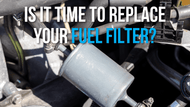
Fuel Filter Replacement: How to Know When Your Motorcycle's Fuel Filter Has Gone Bad
Posted by Melanie Johnson on May 09, 2022
The riding season is getting into full swing. Many owners who have parked their motorcycles during the colder winter months are getting back out there. Before hitting the road, we always recommend a thorough inspection of your bike and ensuring that you follow all of the recommended service intervals outlined in your vehicle's manual.
Still, a commonly overlooked component is a clogged or failing fuel filter. If you are experiencing degraded performance, it might be time to find a fuel filter replacement.
We're going to outline the importance of your fuel filter and how to determine if yours has gone bad, robbing your precious motorcycle of its performance.

Whether you're crossing the country on your street motorcycle or hitting the trail aboard a classic dirt bike, every motorcycle equipped with Electronic Fuel Injection (EFI) uses a fuel filter.
Quantum Fuel Systems is a leader in high-quality fuel system components. We have top-notch direct replacement parts that meet and exceed OEM quality. Replace your clogged fuel filter with one specifically designed to withstand harsh ethanol-based fuels.
QFS offers replacement fuel filters for nearly all makes and models. Each fuel filter is backed by an industry-leading lifetime warranty, which can be found by visiting our robust catalog.
Fuel filters come in a variety of shapes and sizes. Basic in-tank filters, in-line filters, and strainers are the more common types. Your vehicle may use one or more throughout its fueling system.
Yet, they all do the same job: Filter gasoline running through your EFI system, protecting components from debris, impurities, and contaminants that may work their way into your fuel tank.
What Are The Symptoms of a Bad Fuel Filter?
A fuel filter past its prime will restrict or, in extreme cases, block fuel flow entirely. Clogged fuel filters usually create a handful of symptoms related to fuel starvation that result in decreased engine performance.
These symptoms are pretty general when dealing with fuel system issues and can appear to be problems related to your fuel connector. For more information on fuel pump-related questions, check out our article entitled: How to Diagnose a Bad ATV, Motorcycle, UTV/Side-by-Side Fuel Pump.

Here are just a few symptoms related to a bad fuel filter:
Hard-Starting/Rough Idle
Hard-starting is when a vehicle takes more cranking than a usual start. A rough idle is when your motorcycle or dirt bike's engine is not idling consistently and reliably. Rough idle typically indicates some flow restriction in your vehicle's fuel system.
Stalling
Repeated stalling throughout the rev range is often a sign that your engine is starved of fuel. This could happen during idle when beginning to accelerate or decelerate.
Throttle Hesitation / Performance Loss
Blockages in the filter may prevent an adequate amount of fuel from reaching the engine as the rider opens the throttle and the rpm climbs.
What Causes A Fuel Filter To Fail?
A properly working fuel filter will protect sensitive EFI components, such as your fuel injectors. Preventing them from becoming clogged or damaged by debris in your fuel tank is essential. However, once a fuel filter becomes saturated with debris, it can restrict fuel flow.
Not only will that hinder engine performance, but fuel-flow restrictions overwork other components, such as fuel pumps, causing unnecessary wear and premature failure.
Your fuel filter will inevitably reach the end of its filtering potential with time and use since it is a consumable component. Much like swapping tires, changing oil, or servicing final-drive systems, inspecting and replacing fuel filters is part of routine maintenance.

Fuel Filter Kit for Harley Davidson Motorcycle- OEM Replacement, HFP-F119
Over time, contaminants will inundate the filter and prevent it from performing its duties effectively. This is typically caused by sand, dirt, and various detritus mixing with gasoline varnish that collects in your fuel tank.
Gasoline varnish is a sticky, caramel-colored substance left by fuel as it ages and deteriorates, binding particulates together and clogging filters.
Operating your vehicle and strictly using high-quality fuels will slow this process dramatically. However, some riders may only ride seasonally or even less, which makes storing your vehicle correctly even more important.
Draining unused fuel or adding a fuel stabilizer is recommended for extended storage situations. If you are getting ready to ride after a long period of storing your vehicle, follow our 7 Easy Steps to Prepare Your Ride.
While typically seen in older vehicles, ethanol-based fuels can be particularly harsh on inferior plastics and rubbers, causing them to break down entirely, leading to other mechanical problems. Rest assured, all QFS replacement fuel filters are designed to withstand modern fuels.
When Do You Change Dirt Bike Fuel Filters?
Refer to your model-specific authorized owner's manual for manufacturer-suggested timelines regarding fuel filter replacement. In our experience, most manufacturers recommend replacing fuel filters every two years or every 20,000 miles for street-oriented motorcycles.
Off-road motorcycles often require much shorter fuel filter service intervals because these vehicles operate in harsher climates, which are more likely to introduce dust, dirt, and other debris into the fuel tank. If you are just getting started on your dirt bike journey, we created this collection of Beginner Dirt Bike Riding Tips.
How Do You Diagnose A Bad Motorcycle Fuel Filter?
Fuel filters come in a variety of shapes, sizes, and types. When dealing with filters that can be inspected visually, use the original filter color as a reference point.
As you use your vehicle and cycle fuel through the tank, these filters or strainers will become darker in color when oils, gasoline varnish, and other contaminants are absorbed. We recommend replacing these filters with reliable QFS products if they seem particularly discolored.

In other cases, you may not be able to visually inspect the filter because it is housed within a cartridge. When faced with this situation, disconnect the fuel filter from the system and attempt to pass air through the filter's inlet.
Air should flow relatively freely through the filter. However, if it is clogged with pollutants, airflow will be obstructed, signaling that it is time to replace it.
We strongly encourage our customers to thoroughly and adequately assess the condition of their fuel system. Upgrade with direct OEM replacement components from QFS. Our fuel pump replacement kits are complete with a durable fuel pump and high-quality o-rings, seals, filters, and strainers. We stock a kit for nearly every make and model on the market.
Have Any Questions? Reach Out To Our Qualified Staff!
