4,485
VERIFIED REVIEWS
Can’t find what you’re looking for? Call our top-tier Customer Service team to help locate your part.


Free Shipping
Buy Now, Pay Later
Guaranteed Fit
American Owned
Lifetime Warranty
U.S. Based support
Fuel pumps are the heart of the engine. If flow (volume) or pressure drops, performance sags, and engine temperature spikes. Whether you are driving a compact car, a heavy-duty truck, or a high-performance machine, the fuel pump ensures consistent fuel delivery under all conditions. Understanding how these components work and why they matter helps drivers avoid costly breakdowns and maintain reliable performance.
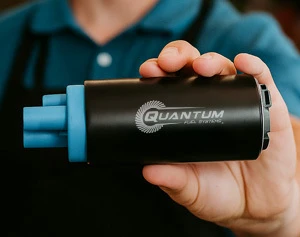
Automotive fuel pumps are mechanical or electric devices designed to move fuel from the fuel tank to the engine. Their job is to supply fuel at a steady pressure so the engine can operate as intended. Without a properly functioning fuel pump, the engine may struggle to start, hesitate during acceleration, or fail altogether. These pumps are engineered to withstand the demands of modern driving and support a wide range of fuel system designs.
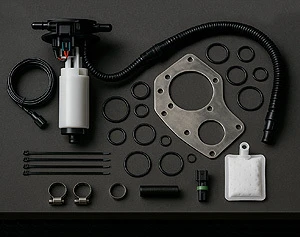
There are several types of fuel pumps used in today’s vehicles, each created for specific applications. Mechanical pumps are common in older engines, while electric in-tank pumps dominate modern fuel-injected systems. Electric pumps are submerged motors, and the fuel acts as a coolant for the pump. Running the tank dry cooks the motor windings. Performance vehicles often use high-flow pumps for increased horsepower demands. Understanding these types helps drivers choose the right pump based on fuel delivery needs, driving style, and engine setup.
A failing fuel pump shows symptoms that should never be ignored. Drivers may notice hard starts, loss of power, sputtering at high speeds, or complete stalling during acceleration. In some cases, the vehicle may refuse to start at all due to low pressure or fuel starvation. You might hear whining or buzzing noises from the tank and increased engine cranking time, which signals a bad check valve. Addressing these signs early can prevent further engine issues and reduce the risk of unexpected breakdowns on the road.
Selecting the correct fuel pump is essential for maintaining long-term reliability and optimal engine performance. Every vehicle has a specific fuel pressure requirement, and the wrong pump can cause poor fuel delivery or premature failure. By understanding your vehicle’s needs, fuel type, and power level, you can confidently choose a pump that matches your driving habits and supports dependable performance.
When selecting a replacement fuel pump, one major decision is choosing between an OEM replacement and an upgraded performance pump. OEM replacements are designed to match factory specifications and are ideal for daily drivers. Performance pumps increase fuel flow for engines with higher horsepower demands. Your choice depends on whether you want to maintain stock reliability or unlock increased engine potential for performance builds.

Compatibility is one of the most important factors when choosing a fuel pump. The pump must physically fit inside the fuel tank and meet the pressure requirements of the fuel system. Using an incompatible pump can lead to leaks, poor performance, or electrical issues. Always check your vehicle’s specifications to ensure proper fitment and verify that the pump is designed for your specific make, model, and year.
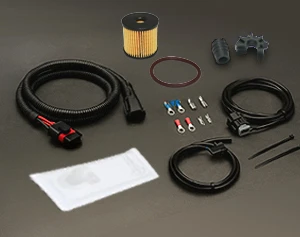
Fuel pump assemblies include the pump, strainer, wiring, float arm, and related components packaged together for a complete replacement. These assemblies offer a convenient solution for drivers who want an all-in-one repair without reusing worn parts. They help restore factory-level performance by replacing every critical component inside the fuel tank. Assemblies are ideal for long-term reliability and consistent fuel delivery.
Proper installation and routine maintenance are important for maximizing the lifespan of any fuel pump. Following correct procedures helps prevent leaks, low-pressure issues, and early failure. By keeping the fuel system clean, replacing worn components, and using quality parts, drivers can ensure their pump performs well under all driving conditions while supporting reliable engine operation.
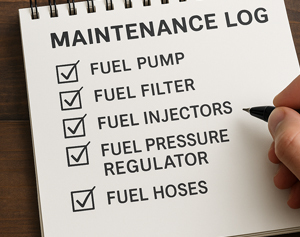
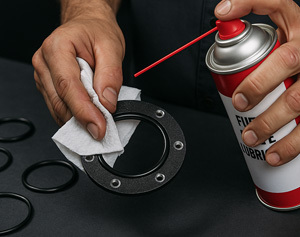
Installing a fuel pump requires careful attention to detail. Always relieve fuel system pressure before starting the job to prevent spills. Use new o-rings and seals when reinstalling the pump to avoid leaks, and double-check all electrical connections for a secure fit. It is also important to keep the tank clean and free of debris so contaminants do not clog the new pump. Following these steps helps ensure a trouble-free installation.

Routine maintenance can significantly extend the life of a fuel pump. Keeping the fuel tank at least one quarter full helps the pump stay cool and reduces stress on internal components. Regularly replacing the fuel filter prevents debris from reaching the pump. Inspecting lines, seals, and connectors during scheduled maintenance helps catch problems early and supports long-term reliability.
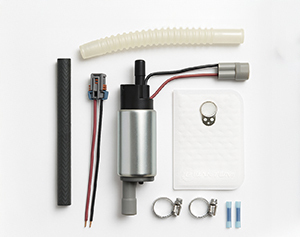
When fuel-related problems occur, start by checking pressure levels, filters, and electrical connections. Low pressure can signal a clogged strainer, failing pump, or damaged fuel line. If the vehicle struggles to start, verify that the pump is receiving power and that the fuel relay is functioning properly. Systematic troubleshooting can identify issues quickly and prevent unnecessary part replacements.
Upgrading to a performance-focused fuel pump can significantly improve fuel delivery for engines that require more power. These upgrades support higher horsepower builds, forced induction systems, and vehicles running alternative fuels. By choosing the right combination of pump, lines, and supporting components, drivers can create a fuel system that meets their performance goals while maintaining stability and reliability.
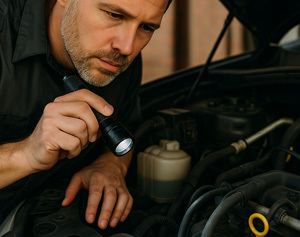
Performance automotive fuel pumps deliver increased flow and consistent pressure for modified engines. They are designed to handle the demands of higher RPM ranges and aggressive driving. These pumps support larger injectors, upgraded turbos, and advanced tuning strategies that require steady fuel delivery. Upgrading the pump ensures that fuel flow always matches the engine’s increased demand.
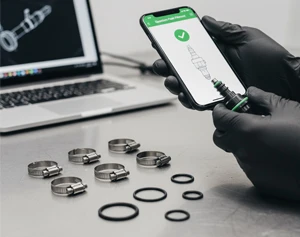
High-quality fuel pumps are engineered to withstand modern fuel blends and support a wide range of power levels. They deliver fuel evenly, reduce hesitation, and improve throttle response. Whether used in daily driving or high-performance applications, reliable pumps help maintain engine health by preventing lean conditions and ensuring stable operation in all driving environments.
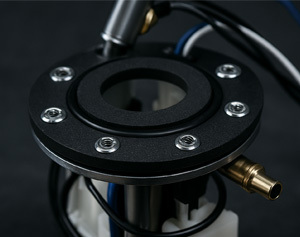
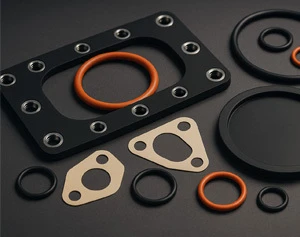
Supporting components such as o-rings, tank seals, gaskets, and fuel lines are essential for maintaining a sealed and efficient fuel system. Worn seals can cause fuel leaks or pressure loss, while old lines may crack or restrict flow. Replacing these components during pump installation ensures long-term reliability and prevents common fuel system problems. Proper sealing also protects the pump from contamination and premature wear.

Fuel pump kits offer a complete upgrade solution by including the pump, strainer, wiring, seals, and other critical parts. These kits ensure every component is matched for proper operation and provide a simplified installation process. They are ideal for drivers seeking improved fuel flow, enhanced reliability, or support for performance tuning. Comprehensive kits deliver a streamlined approach to building a dependable fuel system.
An automotive fuel pump is responsible for delivering fuel from the tank to the engine at the correct pressure for optimal performance. Proper fuel delivery is crucial for engine efficiency and power. Quantum automotive fuel pumps are designed to meet or exceed OEM specifications, ensuring reliable performance for both stock and modified vehicles.
Quantum replacement fuel pumps are designed for long-lasting performance and typically last over 2,500 hours or 100,000 miles. However, the lifespan of a fuel pump can depend on driving conditions, fuel quality, and maintenance habits. Proper upkeep—such as not letting your fuel tank drop below a quarter full—can extend its service life. Learn more about preventative fuel system maintenance on our blog.
Common signs of a failing automotive fuel pump include difficulty starting, engine sputtering, loss of power under load, and irregular fuel pressure. If you experience any of these issues, it's a good idea to inspect or replace your automotive fuel pump to avoid further engine problems. For more information, follow our guide to diagnosing a bad fuel pump.
Yes, upgrading to a performance fuel pump is a great option if you're looking to enhance fuel flow for a modified or high-performance engine. But a high flow fuel pump could be overkill if you are not planning future performance upgrades such as adding a turbocharger or other power-adders.
The best way to confirm which replacement fuel pump fits your vehicle is to use the Year Make Model search function at the top of any page on the Quantum Fuel Systems website. Whether you're looking for a mechanical fuel pump or electric fuel pump, this tool will help you find the correct part. If you’re still having trouble, contact our customer service team with your vehicle’s year, make, model, and OEM number for assistance.
The fluid you may find in your new Quantum fuel pump is testing fluid used during the manufacturing process to ensure the pump operates correctly under real-world conditions. We test pumps with fluid to check for proper flow, pressure, and functionality. This fluid is harmless and will not negatively affect your fuel system. It's completely safe to install and operate a pump that contains residual testing fluid.
We offer a general guide for fuel pump replacement, which applies to various types of pumps. Additionally, we have a playlist of customer installation videos on our YouTube channel. If you're not comfortable with the installation process, we recommend consulting a certified mechanic to ensure proper fuel pump replacement. types of pumps. Additionally, we have a playlist of customer installation videos on our YouTube channel. If you're not comfortable with the installation process, we recommend consulting a certified mechanic to ensure proper fuel pump replacement.
Yes, all Quantum fuel pumps come with a lifetime warranty. However, some exclusions may apply, so it’s important to check the product listing for specific warranty details. For third-party products like Walbro fuel pumps or AEM fuel pumps, the warranty terms are set by the respective manufacturers.
Explore our premium selection of automotive fuel pumps, designed to meet the highest standards of quality and performance. Whether you’re in need of reliable OEM replacement pumps or seeking high-performance upgrades, our collection ensures that every vehicle can achieve optimal fuel delivery. Each pump is crafted for precision, durability, and efficiency, ensuring long-lasting performance under the most demanding conditions. For those looking to elevate their vehicle's power, check out our dedicated Performance Fuel Pumps category, where you'll find top-tier options designed to maximize horsepower and fuel efficiency. Upgrade your fuel system with confidence, knowing our products are built to enhance the reliability and performance of your vehicle, whether on the street or the track.


QFS was born from a desire for freedom: the freedom to keep your ATV, dirt bike, car, or truck running with dependable, OEM-quality, and affordable fuel systems. We want you back on the road without breaking the bank. Skip the costly dealership—our replacement parts ship directly to you and are easy to install. Enjoy OEM performance with unbeatable US-based support and a lifetime warranty. Are you with us?
